
At the beginning of 2026, I found myself in Mexico City, a capital that has become one of the most important foodie destinations in the world. When a city offers everything from world-class street tacos to avant-garde tasting menus, the real dilemma isn’t where to eat, it’s how many reservations you can realistically secure. With that in mind, I wanted to determine which is the best Michelin Star restaurant in Mexico City.
If you are serious about contemporary Mexican cuisine, two names dominate every conversation: Quintonil and Pujol.
Both hold two Michelin stars (the only ones in Mexico), both are fixtures on Latin America’s 50 Best Restaurants list, and both promise a deep dive into Mexico’s culinary identity. But they offer very different interpretations of what that means.
Below is my experience at both — and yes, there was a clear winner for me.
Pujol – The Icon
No introduction needed. Founded by chef Enrique Olvera, Pujol is among the restaurants that put modern Mexican cuisine on the global fine-dining map. It has long ranked among the world’s top restaurants and remains a pilgrimage site for culinary travelers.
Pujol – The Menu
Pujol offers a seasonal tasting menu built around native ingredients and reinterpretations of traditional dishes. The famous Mole Madre, Mole Nuevo — a mole aged for years (over 3900 days so far) alongside a freshly prepared version — is the signature course and the emotional centerpiece of the meal.
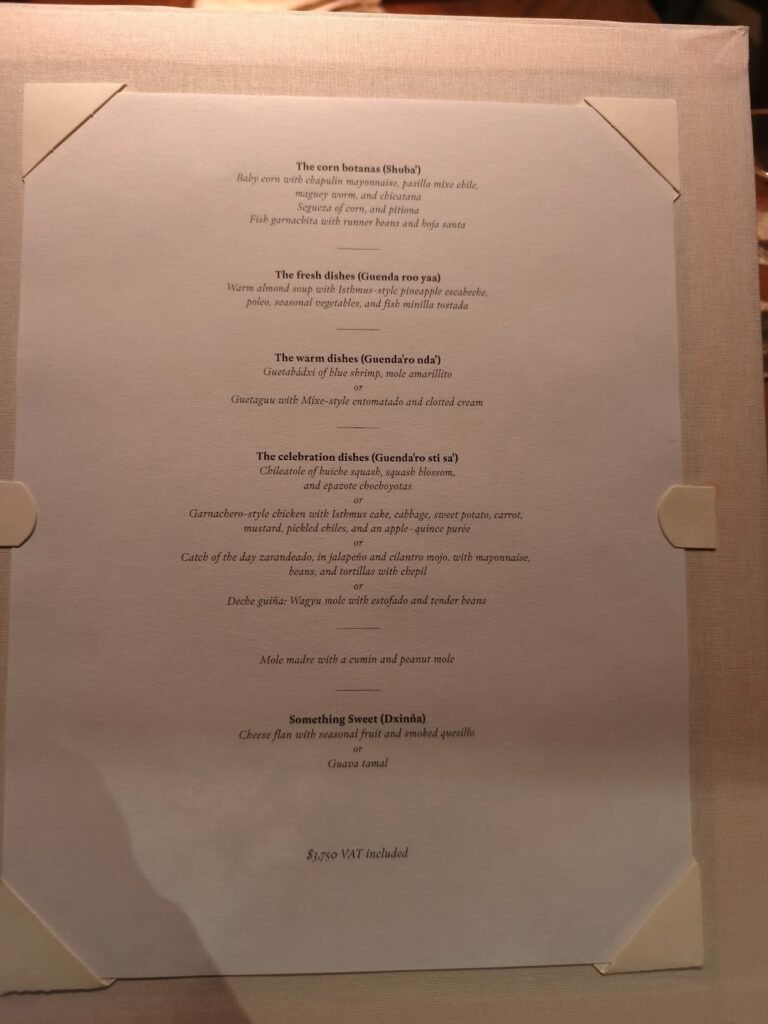
The structure is refined and restrained. Portions are elegant, often minimalistic, and deeply rooted in technique rather than spectacle.
There is also the tacos omakase experience, which is a separate menu. The selection of the experience you want takes place when you make your reservation.
Many people consider Pujol the best Michelin-starred restaurant in Mexico City.
Pujol – The Experience
The dining room is spacious and polished. Once you enter the restaurant, there is an outdoor space, and inside you’ll find a bar where the tacos omakase menu is served, a grand piano, and seating areas. Service is professional. You feel taken care of — though occasionally, you also feel part of a system that has run this performance thousands of times.
Pujol – Dinner
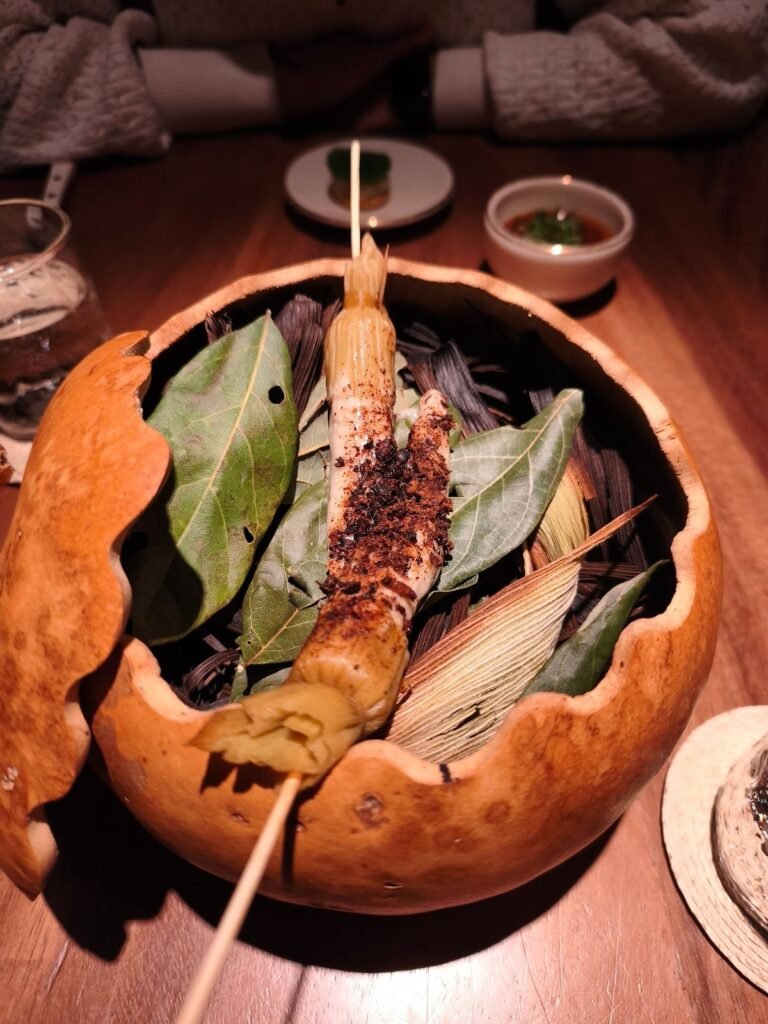
We opted for the regular tasting menu, which comprises 6 courses. The first course is three small appetizers followed by the second course, which was a cold almond soup with a fish tostada during our visit. The early courses were delicate and precise, but not really memorable.
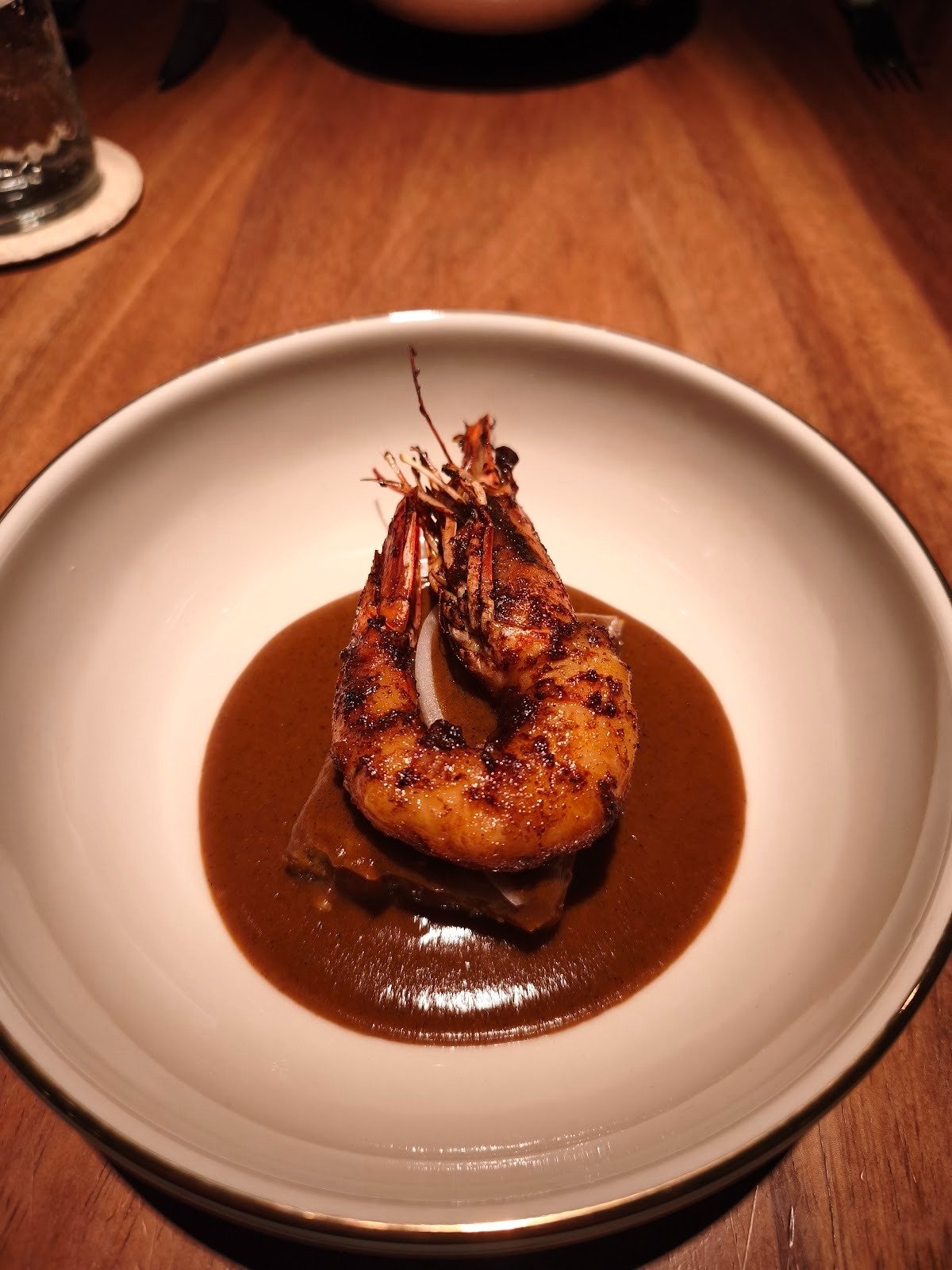
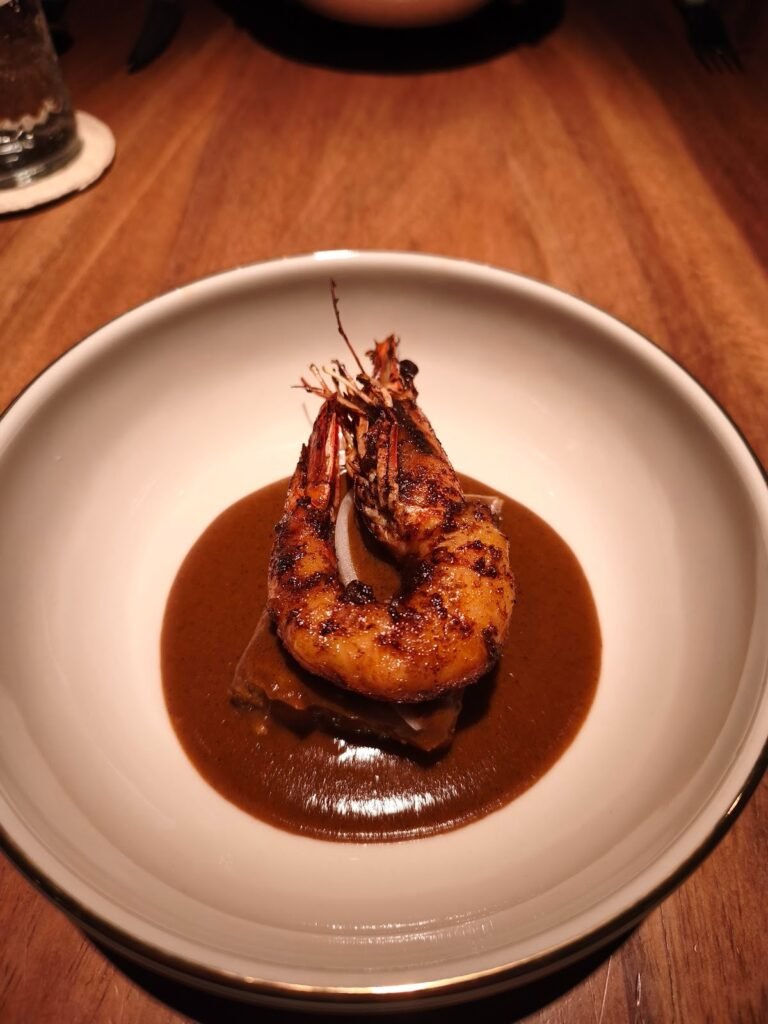
In the third course, you got a choice between a vegetarian tamale with burrata or a shrimp tamale. The shrimp tamale had a deeper flavor and a rich mole on top. In the burrata one, the tamale had a weird, chunky consistency, and the overall dish felt more like a breakfast put together quickly, rather than a Michelin-star restaurant dish.
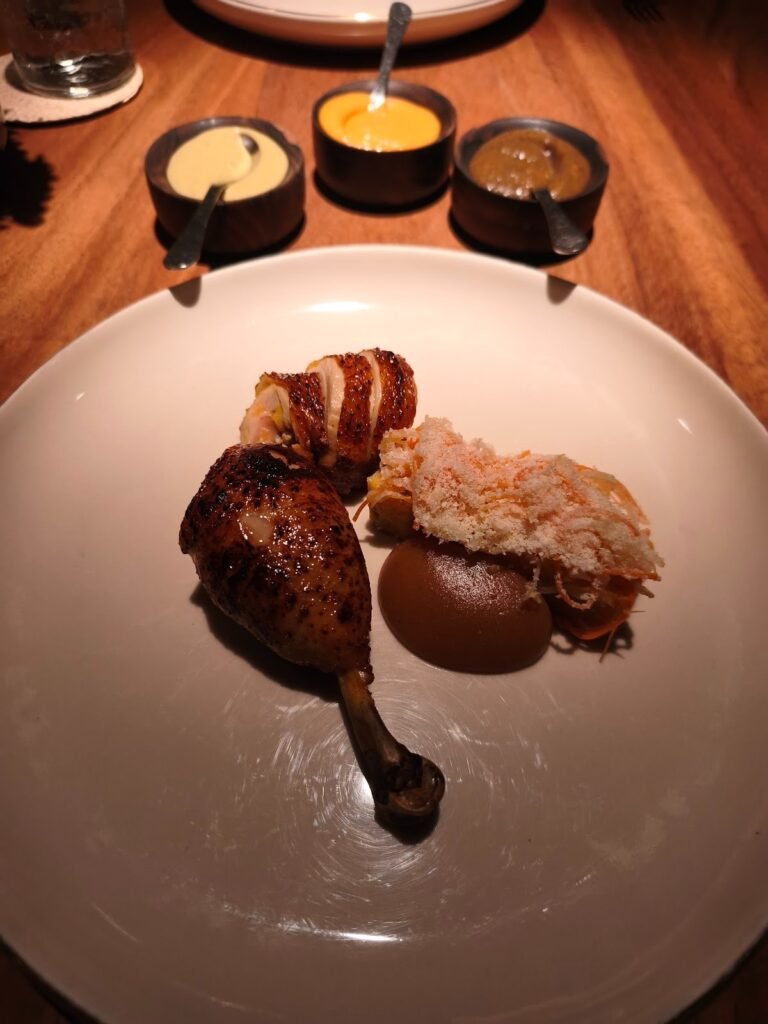
In the fourth course, you get to choose between 4 different celebratory dishes based on the Mexican tradition. We tried the Garnachero-style chicken, which did not have overly complicated techniques but was executed very well. Also, the Wagyu with the estofado and while the Wagyu was perfectly cooked, the estofado was overly salty.
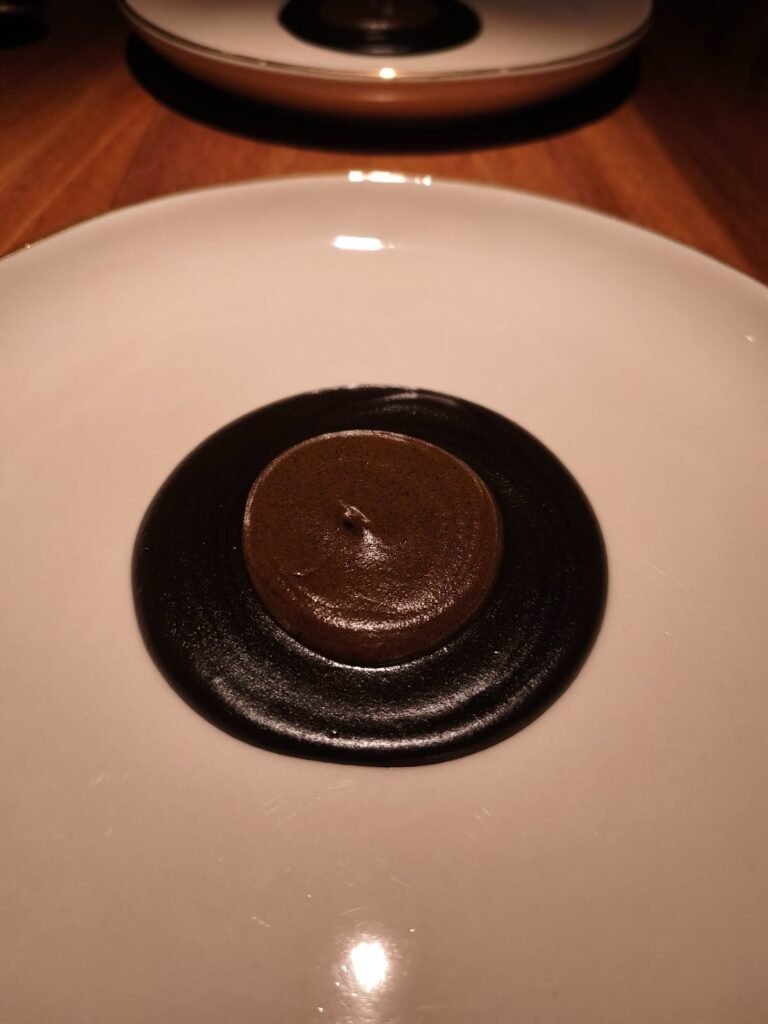
The mole course is technically impressive — layered, earthy, slightly bitter, complex. You admire it as much as you enjoy it, although personally, mole is not my favorite Mexican dish.
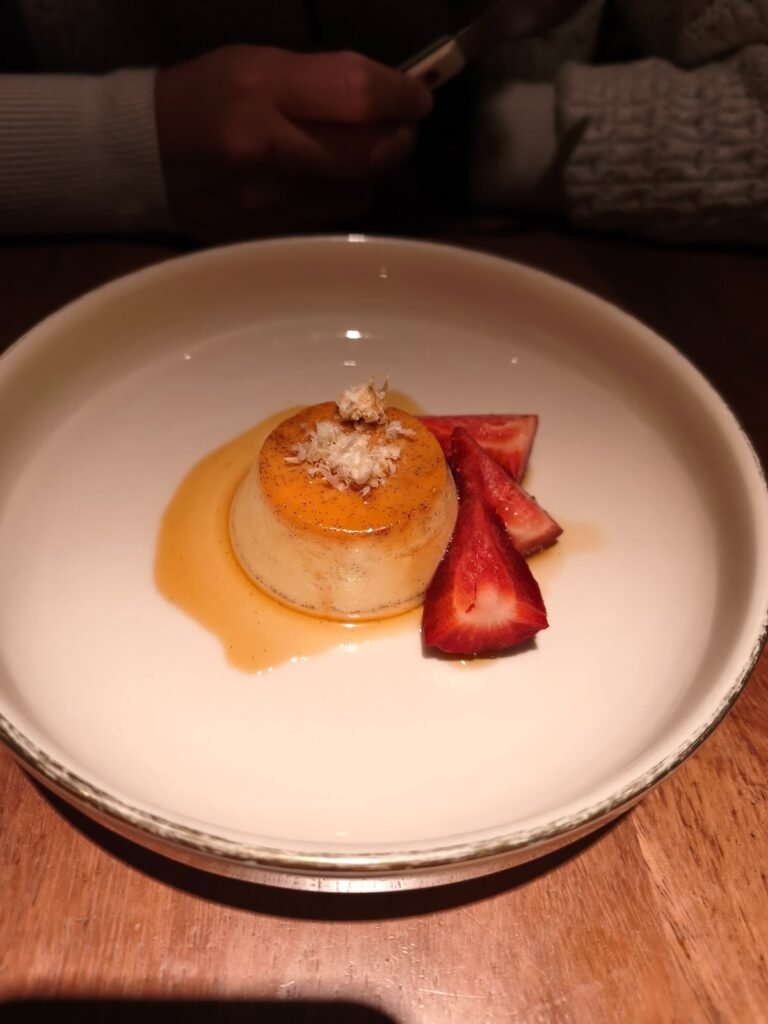
Finally, two options for dessert, and the dish that mostly stood out for me was the flan that was extremely flavourful, even if the smokiness of the quesillo was a little overpowering. Probably my personal favorite.
Pujol – Value
The tasting menu itself costs EUR 190, and that’s excluding any drinks. The price for the tacos omakase is almost the same. For a globally recognized two-star Michelin restaurant, even if the menu is only 6 courses, that’s not unreasonable.
Quintonil – The Quiet Powerhouse
If Pujol is the pioneer, Quintonil, led by chefs Alejandra Flores and Jorge Vallejo, feels like the evolution.
Frequently ranked even higher than Pujol in recent global lists, Quintonil has earned its two Michelin stars by focusing on contemporary Mexican cuisine with remarkable clarity and restraint.
Quintonil – The Menu
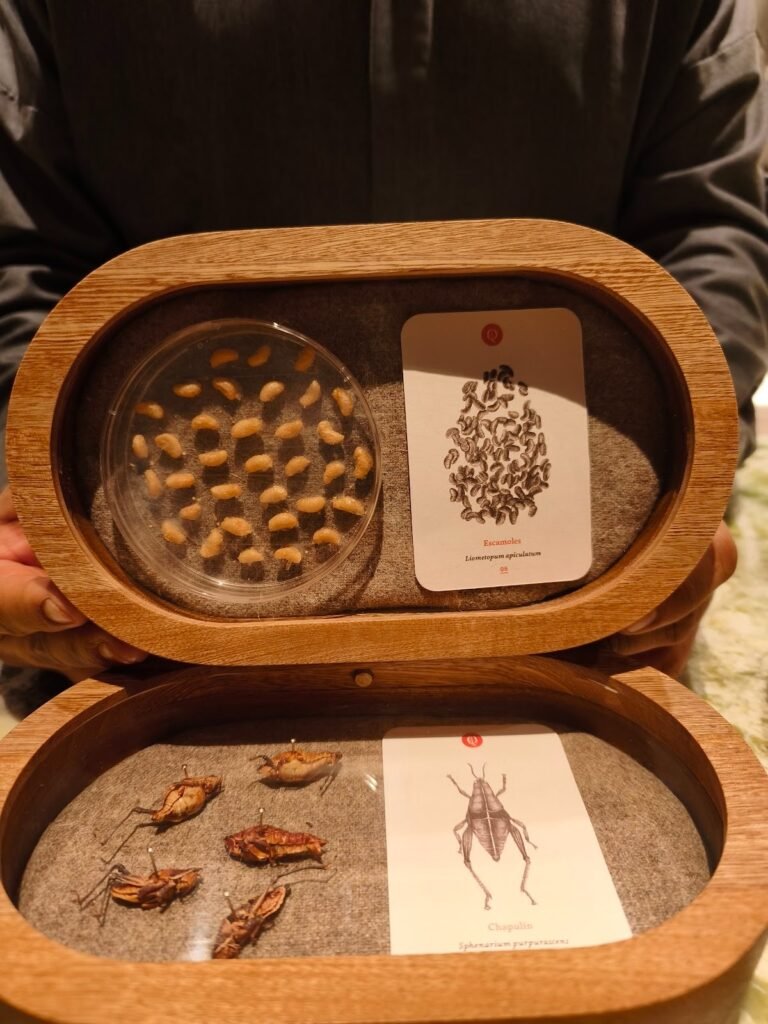
The tasting menu is hyper-seasonal, with vegetables, seafood, and meats integrated with precision. There’s a strong emphasis on native herbs (quintonil itself is a green herb) and regional sourcing. You will also encounter various insects subtly included in different dishes. Insects, especially grasshoppers and worms, are typical in some states in Mexico.
Unlike Pujol, Quintonil’s dishes feel bolder.
The wine list is very extensive, with thoughtful Mexican selections and natural-leaning international bottles.
Quintonil – The Experience
The dining room is smaller compared to Pujol. Service is also polished and professional. I felt the service in Quintonil was more personal, although that was partially due to the fact that I was sitting in the barra and had more direct contact with the staff and could see into the open kitchen.
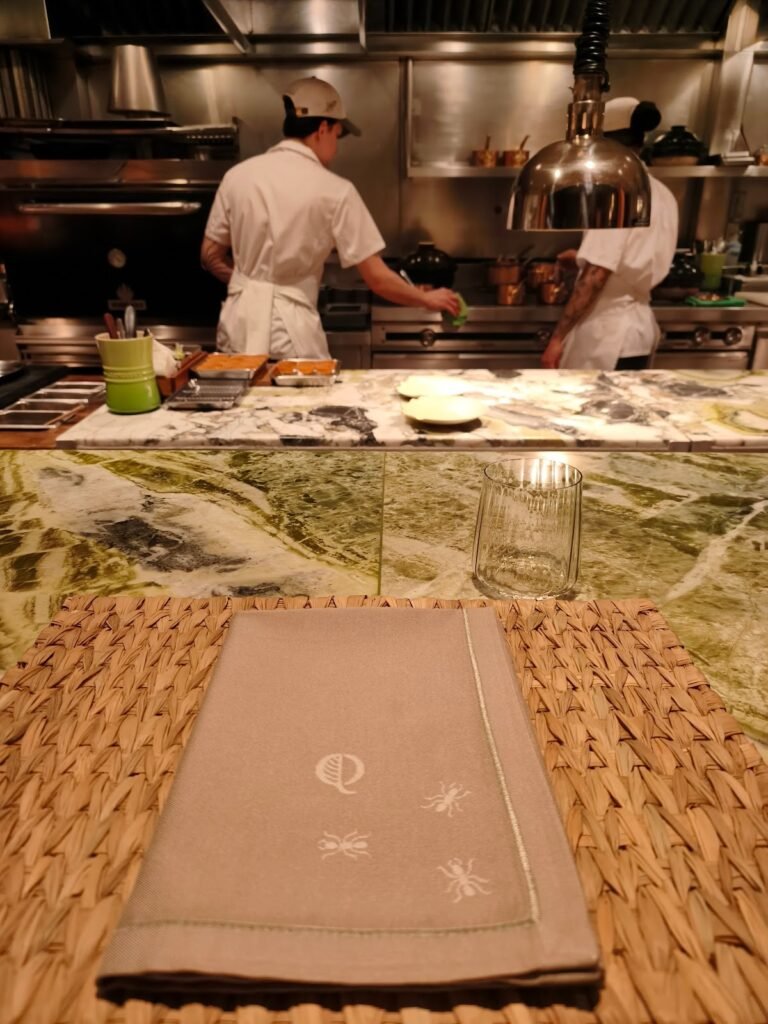
Also, at the end of your meal, you get a personalized menu as well as the ticket from the kitchen pass with all your dishes, when they were served, and when you finished each of them. This is another nice touch to the experience.
One area for improvement that applies to both Pujol and Quintonil, but I had more concrete data for Quintonil, was the pace of the meal. Some dishes had 15 to 20 minute gaps in between, which feels excessive at this level of service.
Quintonil – Dinner
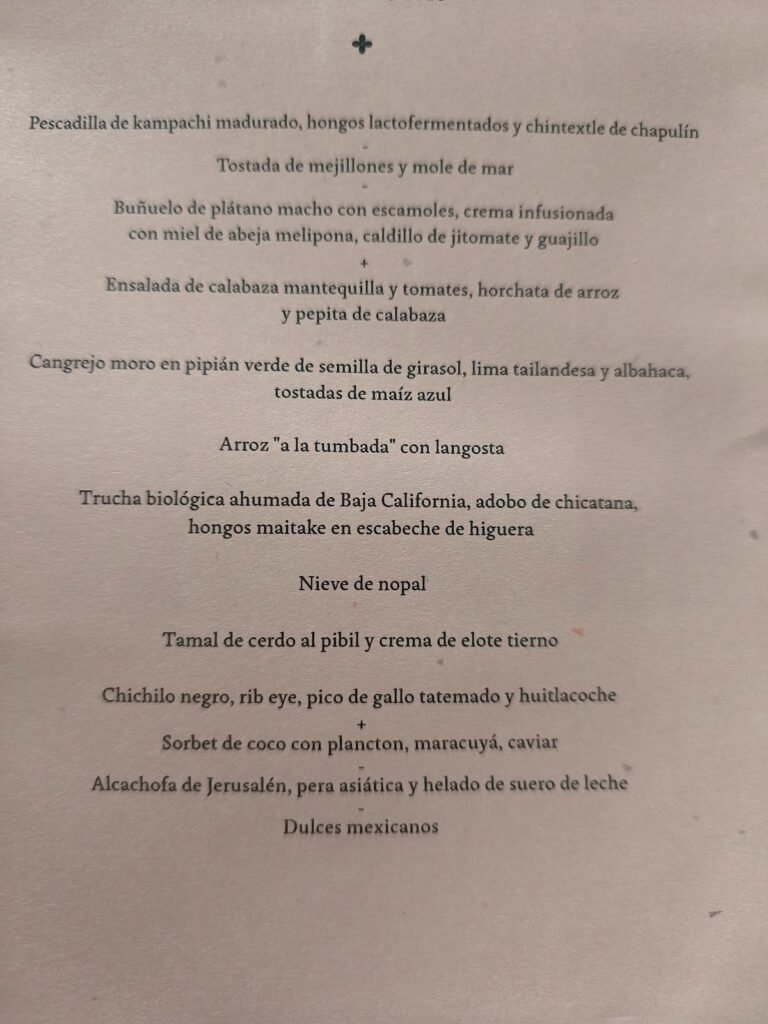
The tasting menu at Quintonil has more courses compared to Pujol (10 if you count the small appetizers at the beginning as one course), and it was more complex technically.
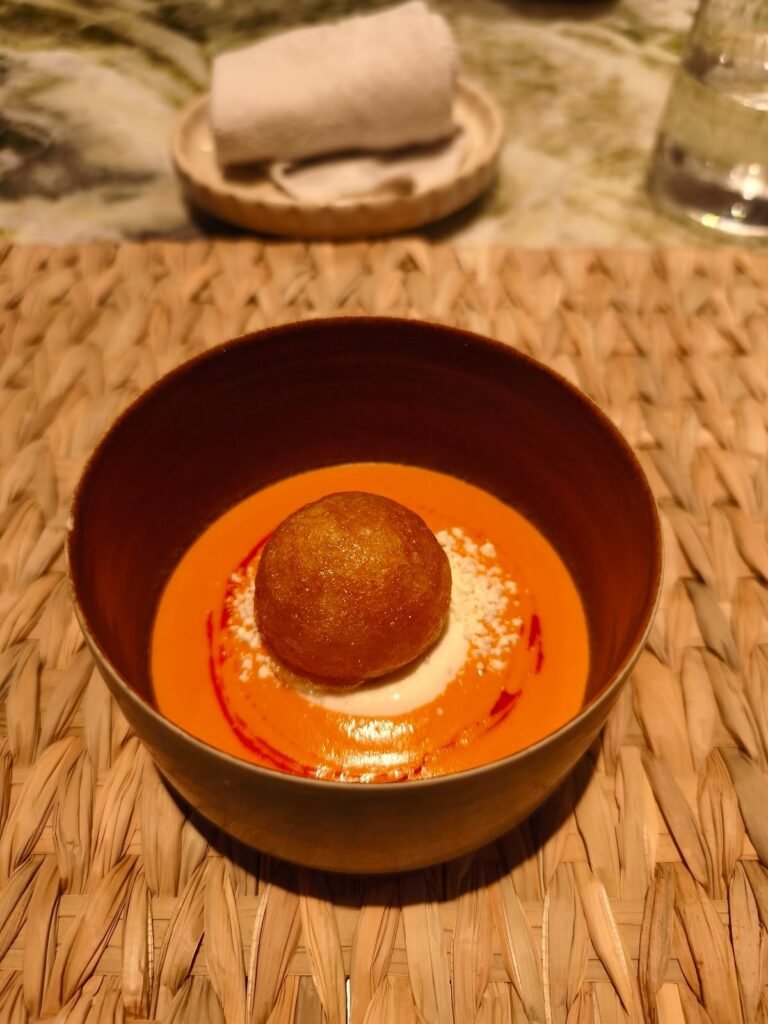
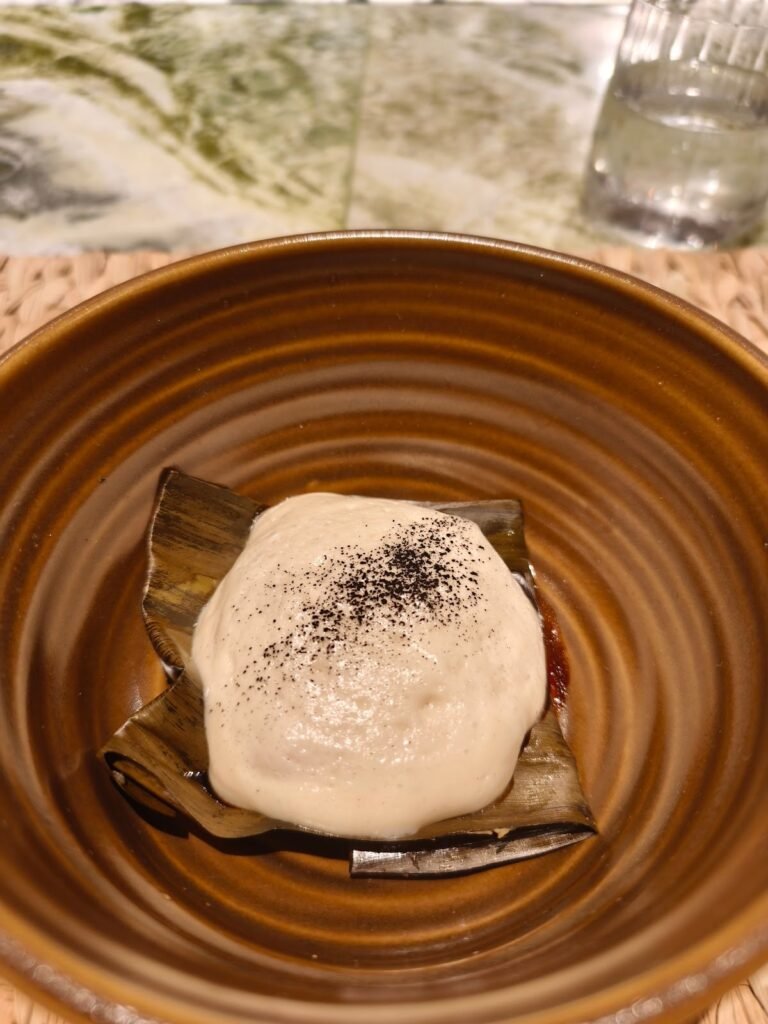
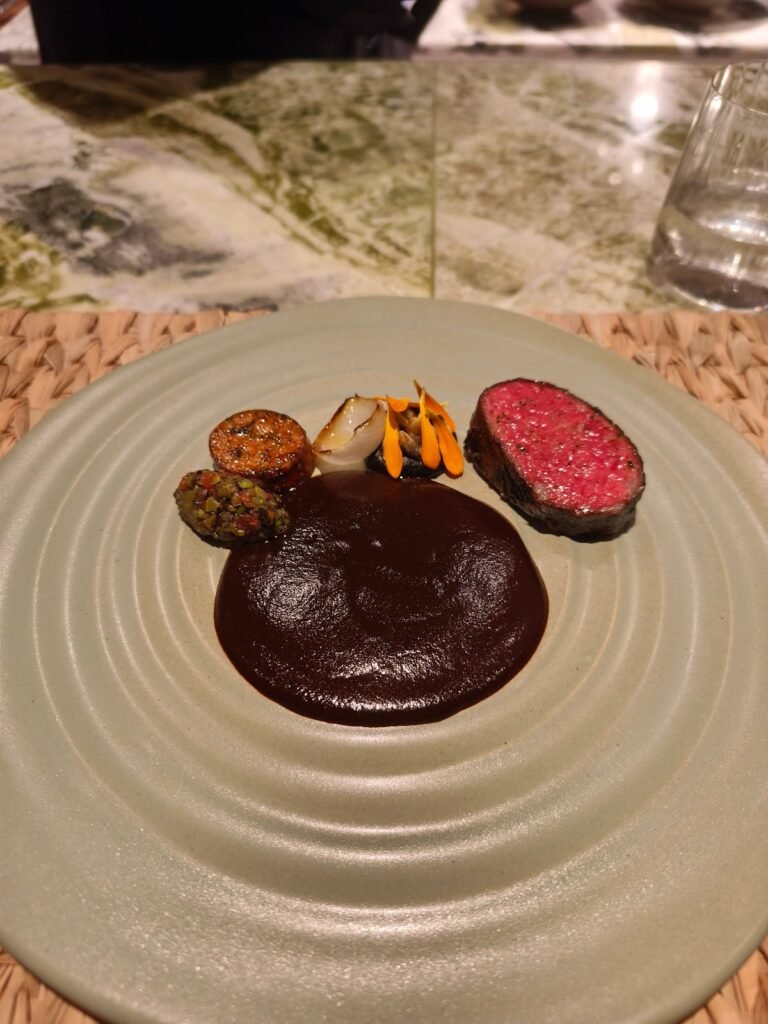
All the dishes were flavorful, and some dishes here were actually memorable, such as the plantain fritter with escamoles, melipona honey cream, tomato and guajillo chilli broth, or the pibil pork tamale with corn cream and the black chichilo mole with ribeye, cactus pico de gallo, chorizo sausage with smashed ants and eggplant puree.
Quintonil – Value
The price of the testing menu is higher compared to Pujol, hovering around EUR 290 with wine pairing ranging between EUR 150 and EUR 400, depending on the pairing of your choice. At this level, value is about cohesion and memorability rather than portion size.
Final Verdict
If you want to experience a restaurant that shaped modern Mexican fine dining history, go to Pujol. It is essential. If you want the most cohesive, satisfying, and emotionally resonant two-star meal in Mexico City today, my vote goes to Quintonil.
Quintonil was my favorite. It felt more alive, more balanced, and ultimately more memorable from start to finish. That being said, Mexico City has so much great street food and tacos that it’s very hard for any Michelin-starred establishment to compete in value. I would suggest first exploring the various must-try local spots for tacos and local dishes and only if you have sufficient time, to reserve a table at these higher-end options.